
This article is based entirely on my personal experience working in System integrators, Value Added distributors, and Cybersecurity vendors.
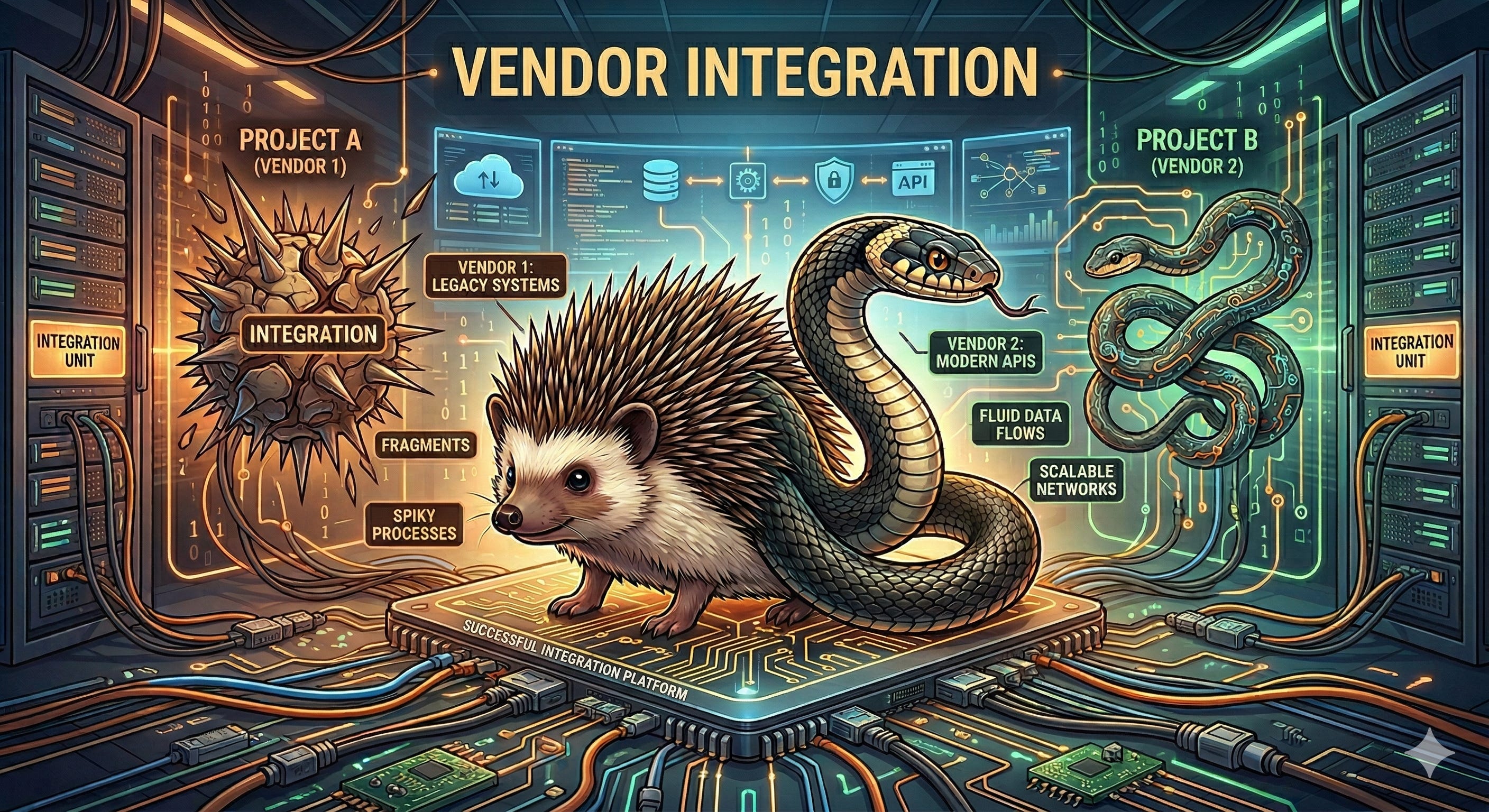
What kinds of integrations have I seen throughout my career?
Marketing announcements between two different companies’ products
Technical integration through SDKs and APIs
Internal integration of products inside one large corporation
Want details? I’ve got plenty.
1. Marketing Announcement
The emptiest type. A beautiful croissant with nothing inside. Lots of noise, joint webinars, press releases. Under the hood — usually just shared APIs, syslog, and a couple of tested configurations.
The real goal is to create a cartel to push out a common competitor. The desire for mutual customer penetration usually ends with 2–3 pilot projects and then salespeople spreading the news by word of mouth. Friendship is friendship, but money is separate. Everyone wants a piece of someone else’s pie.
I’ve seen Web Application Firewall + DDoS protection cloud, data masking systems + database monitoring, and many others. Looks great on stage. Works weakly in production.
2. Technical Integration via SDK
More interesting technically. One vendor embeds another’s solution, usually on a Revenue Share model. Fast and convenient, but almost zero flexibility.
Examples: Web Gateway + antivirus, DLP + image recognition system. Such modules are often sold on the principle “you can’t live without them.”
3. Internal “Friendship” Inside One Corporation
The most fascinating and simultaneously saddest story.
The company loudly trumpets “one unified ecosystem” in every presentation, while inside, independent product teams fight for resources and don’t want to let their internal competitors onto their territory. This is especially common when there’s an old and a new product, or after mergers and acquisitions.
The result: dedicated salespeople pushing only their own direction, customer brain explosions (“why is one employee praising one thing and another praising something completely different?”), and the constant need for someone inside the company who can resolve all these internal conflicts.
What else don’t you know about the ugly side of IT integrations, but were afraid to ask?
Want me to continue “shocking” you with real cases? Let me know. Feedback helps me keep the right tone.
Stay naked.
© 2026 Michaił Domalewski / Naked CyberSec. All rights reserved.